How Termite Control Services Fit into a Complete Pest Plan
Most property owners think about pests in categories that feel separate. Ants are a kitchen problem. Mosquitoes are a yard problem. Rodents belong in the attic or crawl space. Termites, meanwhile, often sit in their own mental box because the damage is structural, expensive, and frightening in a different way. In practice, that separation creates blind spots. A strong pest strategy works best when termite risk is handled as part of the whole property ecosystem, not as an isolated emergency.
That is where Termite Control Services earn their place. They are not simply a one-time treatment for a visible swarm or a panicked call after someone taps a baseboard and hears a hollow sound. Done properly, they fit into a broader plan that considers moisture, access points, landscaping, sanitation, storage habits, building materials, and inspection intervals. The termite specialist and the general pest professional are often looking at the same property conditions through slightly different lenses.
I have seen this play out many times in homes and commercial spaces. A client may call because of roaches in a utility room, and during a routine perimeter review, there is wood-to-soil contact behind a fence line, leaking irrigation at the foundation, and mulch piled too high against siding. The visible complaint is one pest. The hidden risk is another. A complete plan recognizes that both matter, and that the conditions feeding one issue may also support another.
Termites are a structural pest, but they are still a pest management problem
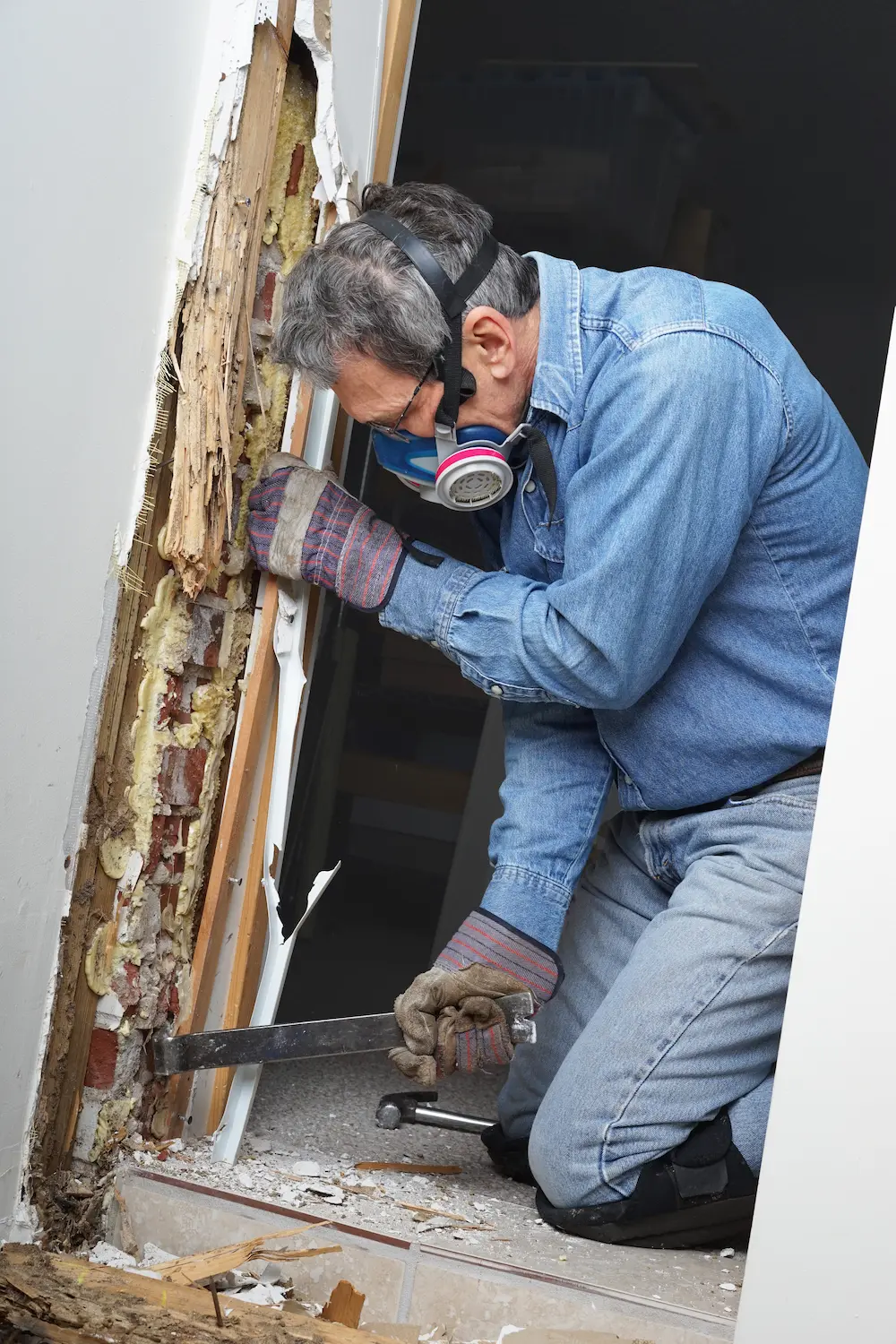
Termites deserve their reputation. They can work quietly for months or years, especially subterranean species, and the first obvious clues often appear only after damage is established. That makes them different from many nuisance pests, but not separate from the logic of pest management.
Pest control at its best is about pressure, conditions, and pathways. How much pest activity exists nearby. What on-site conditions make the property attractive. Where pests can enter, nest, or move unnoticed. Those same three questions apply to termites. Pressure may come from regional termite activity, nearby infested wood, tree stumps, or neighboring structures. Conditions often include moisture, cellulose debris, poor drainage, and hidden voids. Pathways are expansion joints, foundation cracks, utility penetrations, crawl spaces, and direct wood contact with soil.
Once you frame termites this way, their place in a complete plan becomes obvious. They are not an add-on. They are one of the highest-stakes risks to assess during routine pest planning.
Why termite work cannot be reduced to a one-time spray
One of the most common misunderstandings is the idea that termites are handled with a single product and then forgotten. In real properties, successful termite protection usually involves a sequence of decisions rather than a single event. Inspection comes first, treatment selection follows, and monitoring carries the result forward.
A liquid soil treatment may create a treated zone around a structure, which can be highly effective when installed correctly. A Termite Control Services baiting system may monitor and reduce termite activity over time, often with less disruption to hardscape. In some cases, localized wood treatment or void applications make sense, especially when activity is confined and the construction details allow targeted access. The right choice depends on foundation design, slab features, crawl space conditions, landscaping, previous treatments, and the level of current activity.
That is already more nuanced than many owners expect. Now place that termite decision inside a bigger pest program. If a property also has moisture-loving ants, occasional centipedes, and springtail activity around the perimeter, the recommendation may include drainage corrections and humidity control that help all those issues at once. If rodents are entering through utility gaps, the same exclusion work can improve visibility around foundation penetrations and reduce termite shelter points. The termite plan remains specific, but it benefits from being integrated.
The role of inspections in a complete pest plan
Inspections are where termite control and general pest management overlap most clearly. Good inspections do not just confirm whether termites are present. They reveal the property story.
A trained eye notices more than mud tubes. It notices the downspout that empties too close to the foundation. It notices the deck post with visible rot at grade. It notices that a storage room is packed wall-to-wall with cardboard on a damp slab. It notices that mulch depth is six inches in one bed and barely one inch in another. These details matter because termites do not arrive in a vacuum. They exploit neglect, hidden moisture, and inaccessible construction.
For that reason, termite inspections should not be treated as paperwork exercises. In real service programs, they are part of risk management. A thorough inspector is looking for active signs, previous damage, conducive conditions, and barriers to future detection. That last point gets overlooked. Dense ground cover against a foundation, foam board extending below grade, and cluttered crawl spaces do not cause termites by themselves, but they make it harder to detect activity early. Early detection often determines whether a repair costs hundreds or tens of thousands.
In commercial settings, the inspection role becomes even more important. Restaurants, offices, multifamily buildings, schools, and warehouses all present different access and reporting challenges. In a warehouse, for example, racked inventory can conceal perimeter walls for long stretches. In multifamily properties, one tenant may notice swarmers while an adjacent unit has moisture conditions that tell the real story. Termite Control Services in those environments work best when tied to a documented inspection schedule and clear communication between maintenance staff and the pest provider.
Moisture control is where termite strategy meets everything else
If I had to point to one shared factor that links termites with many other pest problems, it would be moisture. Not every termite issue starts with visible water, but moisture consistently raises the odds of trouble.
Leaking hose bibs, poorly pitched soil, clogged gutters, condensation around HVAC lines, chronic crawl space humidity, and slow plumbing drips all create conditions that support termites directly or indirectly. They also support wood decay fungi, which weaken materials and make them easier for termites to exploit. At the same time, those same conditions often increase activity from earwigs, silverfish, springtails, cockroaches, and certain ant species.
That overlap is why a complete pest plan cannot stop at chemical treatment. If a liquid termite treatment is placed perfectly but the property keeps trapping water against the foundation, the long-term risk remains elevated. If bait stations are installed but a crawl space stays wet and inaccessible, inspection quality suffers. The chemistry matters, but the environment around it matters too.
A well-run pest plan often includes conversations that do not sound like pest control at first. Extend this downspout. Lower this mulch line. Repair this grade. Insulate this sweating pipe. Ventilate or condition Maximum Pest Control Termite Control Services this crawl space. Move these firewood stacks farther from the house. Those recommendations are not side notes. They are part of the termite strategy.
The landscape around the building matters more than many owners realize
People tend to focus on what happens inside walls, yet the outdoor environment often sets the stage. Termites come from the soil. Their movement, concealment, and access are shaped by what surrounds the structure.
A thick bed of wood mulch against siding is not automatically a termite infestation waiting to happen, but deep mulch against the foundation can retain moisture and obscure inspection zones. Landscape timbers, railroad ties, buried form boards, old stumps, and untreated wooden edging can all become termite food sources or bridge points. Irrigation heads that strike the wall or keep the soil wet near the slab increase concern. Dense shrubs may trap humidity and make it hard to inspect lower walls and slab edges.
This is where integrated planning pays off. A lawn and landscape crew may be watering too frequently without understanding the pest implications. A fence installer may set wooden components in ways that contact siding or trap debris. A homeowner may stack scrap lumber behind a shed because it seems harmless. The termite professional sees these details differently because each one can support hidden movement or reduce visibility.
I once walked a property where the owner had invested heavily in quarterly pest service for spiders and ants and kept the interior impeccably clean. Yet the back side of the home had a row of decorative planters built directly against stucco, with irrigation keeping the area damp almost every morning. There were no obvious interior symptoms yet, but the exterior conditions were about as inviting to termites as a property can get. The fix was not dramatic. It involved changing irrigation timing, creating inspection clearance, and adjusting contact points. That kind of correction is not glamorous, but it is often what keeps a pest plan honest.
Termite treatments should be chosen in context, not by habit
There is no single termite treatment that is best for every structure. That is one reason generic advice can mislead property owners. The right fit depends on how the building is built and how it is used.
Liquid treatments often appeal to owners who want a defined protective approach around the foundation. They can perform very well, but installation quality matters enormously. Trenching, drilling, soil type, settlement, and inaccessible areas all affect results. Bait systems can be excellent for monitoring and colony suppression, and they are particularly useful where drilling or trenching is limited by design or customer preference. They also create an ongoing observation framework, which complements a larger pest plan well. Localized treatments can solve specific problems, but on their own they may not address broader exposure.
The real professional judgment comes in matching method to structure. A monolithic slab with heavy hardscape around the perimeter presents different realities than a raised foundation with open crawl space access. A historic building may require less invasive options. A new construction property may already have pre-treatment measures or physical barriers in place, changing the service conversation.
This is another reason Termite Control Services should not sit in a separate silo. If a property already has a recurring pest provider, termite method selection should account for what that provider is observing over time. Seasonal moisture patterns, recurring exterior ant trails, inaccessible utility chases, and maintenance delays all influence risk. The most effective programs use that field knowledge.
What a complete pest plan usually includes
A complete pest plan does not need to be complicated, but it does need to be coordinated. In most properties, the strongest programs cover five practical areas:
- routine inspection of interior, exterior, attic, crawl space, and structural contact points where accessible
- targeted treatment for active pests, including termite-specific measures when warranted
- correction of conducive conditions such as leaks, drainage flaws, debris, and wood-to-soil contact
- exclusion and repair work to limit entry points and improve visibility for future inspections
- ongoing monitoring with service intervals that match the building’s risk level and history
Those pieces work together. If one is missing, the plan weakens. Treatment without inspection becomes reactive. Inspection without corrections becomes repetitive. Exclusion without monitoring can miss hidden activity. A complete plan connects them.
How termite control interacts with other common pest issues
The easiest way to understand integration is to look at the overlap with day-to-day pest complaints. Carpenter ants are a good example. Homeowners often confuse them with termites, especially when they see winged insects. Beyond identification, the deeper issue is that both pests can be associated with damp or damaged wood. A property with carpenter ant activity in a window sill or eave may not have termites, but it often has moisture conditions worth investigating for termite risk.
Rodent work can also uncover termite concerns. During exclusion or sanitation reviews, technicians often move stored items, inspect basements, or trace utility lines, and that process can reveal damaged wood, mud shelter tubes, or hidden moisture near sill plates. Likewise, crawl spaces entered for rodent bait station checks may expose drainage failures or inaccessible debris that belong in a termite prevention discussion.
Even occasional invaders such as centipedes and earwigs can signal the kind of damp perimeter environment that should prompt a closer termite look. None of this means every pest complaint points to termites. It means patterns matter. Properties tell on themselves if someone is paying attention.
This is where experienced providers tend to separate themselves from companies that only treat symptoms. The goal is not to upsell every customer into a bigger package. It is to understand whether today’s nuisance complaint is connected to tomorrow’s structural risk.
Homes, rentals, and commercial buildings each require different planning
The structure type changes the cadence and emphasis of termite control. A single-family homeowner may be focused on preserving resale value, preventing surprise repairs, and avoiding disruption. In that setting, annual termite inspections combined with a broader recurring pest service often make sense, though frequency should match local termite pressure and construction details.
Rental properties bring another layer. Turnover periods are opportunities for inspection, but they are also moments when hidden damage can be painted over, covered with flooring, or missed in a rush. Landlords who only react to tenant reports often learn about termite issues later than they should. Properties with chronic plumbing leaks under sinks, around water heaters, or at exterior hose connections deserve extra attention because the same maintenance backlog that annoys tenants can support termites quietly.
Commercial and institutional buildings usually require stronger documentation and clearer division of responsibility. Who checks utility rooms. Who reports swarmers. Who clears access to mechanical areas. Who authorizes corrective carpentry or drainage work. Without those answers, termite service can become fragmented. The provider may identify risk, but no one implements the building changes that make treatment durable.
Warning signs worth taking seriously
Termites are not always obvious, but there are a handful of signs that should move quickly from curiosity to action. If any of these appear, it is worth scheduling a professional inspection rather than waiting for the next routine visit:
- a swarm of winged insects indoors or just outside during a warm, humid period
- pencil-width mud tubes on foundation walls, piers, or inside crawl spaces
- wood that sounds hollow, feels blistered, or breaks apart unusually easily
- doors or windows that suddenly fit poorly near areas with moisture or trim damage
- bubbling paint or unexplained surface distortion on wood trim, baseboards, or wall coverings
Not every sign confirms an active infestation. Swarmers can be mistaken for ants, and sticking doors can come from seasonal movement. Still, these are not details to ignore. The cost of a timely inspection is small compared with deferred structural repair.
Prevention is usually cheaper than repair, but it still requires commitment
People often say prevention is cheaper than repair, and in termite work that is usually true. The part they leave out is that prevention still costs time, money, and attention. Installing or maintaining a termite system, keeping inspection zones visible, repairing leaks promptly, and correcting drainage are all forms of investment. They pay off, but they are not passive.
That matters because property owners sometimes expect service alone to compensate for poor maintenance. It rarely works that way. A technician can treat, monitor, and advise, but no service can fully erase the risk created by chronic water intrusion, inaccessible foundation lines, or continuous wood contact with soil. The best outcomes happen when the provider and owner each handle their part.
A good comparison is roof care. You would not expect one patch to protect a roof indefinitely if gutters stay clogged and flashing is left loose year after year. Termite risk behaves similarly. Treatment helps, often significantly, but durable protection depends on conditions management.
Choosing a provider who understands the whole property
Not every pest company approaches termite work with the same depth. Some are excellent at emergency response but weaker on long-range planning. Others handle routine pests well but do not have strong termite inspection habits. When termite exposure is part of the conversation, the right provider asks better questions.
They want to know the age of the structure, the foundation type, whether there is a crawl space, whether there have been leaks or prior treatments, what kind of landscaping touches the building, and whether there are inaccessible additions or porches. They explain trade-offs rather than pushing a one-size-fits-all option. They document findings clearly. They tell you what treatment can do, and what it cannot do without building or moisture corrections.
That level of professionalism matters because termite decisions are rarely small. Even when treatment pricing is manageable, the stakes around missed activity are high. A provider who understands the entire pest picture is more likely to spot the details that protect the structure over time.
Where termite control belongs in the yearly maintenance rhythm
The simplest way to keep termites integrated into a complete plan is to tie them to the annual property maintenance cycle. Spring and early summer often bring swarmer reports in many regions, which makes that period a natural time for inspection. Late summer can reveal irrigation and drainage issues after sustained heat. Fall is a good season to clear debris, trim vegetation, and review exterior contact points. Winter can be useful for interior and crawl space evaluation, especially when foliage dies back and foundation lines are easier to see.
The exact calendar varies by climate, but the principle holds. Termite control is not a side project for emergencies. It belongs in the same operational rhythm as gutter cleaning, roof checks, HVAC service, and exterior maintenance. When it sits there, alongside routine care, the odds improve dramatically that problems are caught early or prevented altogether.
That is the real place of Termite Control Services in a complete pest plan. They protect against a specific and costly threat, but their value reaches further. They sharpen inspections, expose maintenance weaknesses, and force a property-wide view of risk. When handled in isolation, termite work can become reactive and narrow. When built into the larger plan, it becomes what it should be, a disciplined part of preserving the building itself.
Maximum Pest Control
836 NE 7th Terrace Suite #5
Cape Coral, FL 33909
+1 239-772-7363
FAQ About Termite Control Services
What are two signs of a termite infestation?
Mud tubes along a foundation and piles of shed wings near doors or windows are two signs to investigate. Mud tubes are associated with subterranean termites. A licensed inspector can identify the insect and assess whether there is active infestation.
How many years does a termite treatment last?
There is no single timeline for all treatments. The method, site conditions, and maintenance affect how long protection lasts. Bait systems rely on monitoring and service. Ask the provider for the recommended inspection schedule and the terms of any coverage.
Is Termite Treatment Expensive in Cape Coral?
Cost depends on the termite species, the size and construction of the property, the extent of activity, and the treatment method. Request a written estimate after inspection and ask whether monitoring, follow-up visits, and renewals are included.