How to Choose Licensed and Insured Termite Control Services
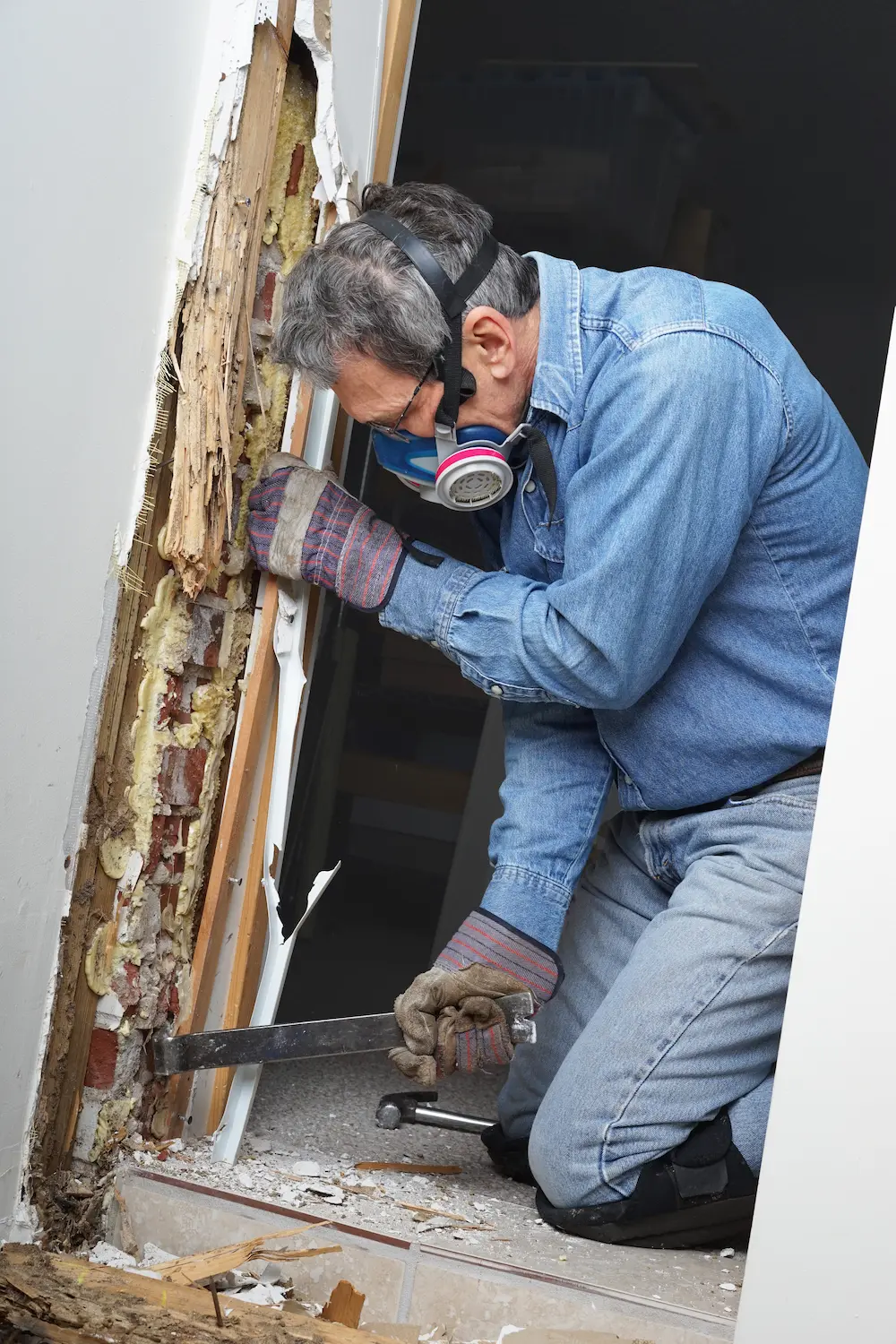
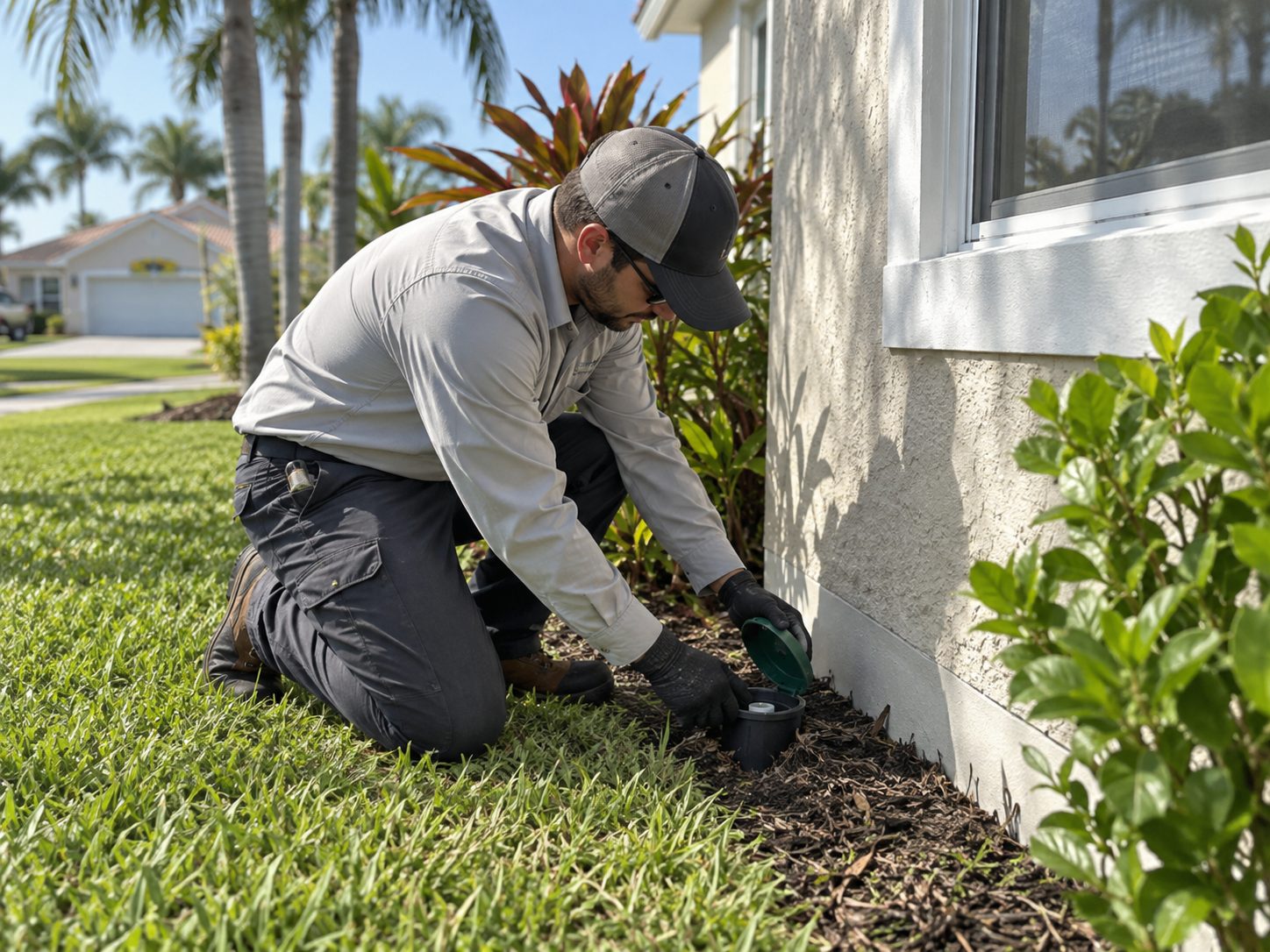
Termites are quiet, persistent, and expensive when ignored. By the time most homeowners notice trouble, the damage has often been building for months or even years behind drywall, under flooring, or inside crawl spaces. That is why choosing the right company matters so much. You are not simply hiring someone to spray a chemical and leave. You are trusting a contractor to inspect hidden structural areas, diagnose the scope of an infestation, recommend a treatment plan, and stand behind the work if termites return.
The phrase licensed and insured gets tossed around so often that many people stop interrogating what it actually means. They see it on a truck door, a website footer, or a business card and move on. That is a mistake. Licensing and insurance are not decoration. They are basic indicators that a company has met minimum legal requirements, carries financial protection, and operates with at least some level of accountability. For a job involving structural risk, pesticides, and long-term warranty obligations, those protections are not optional.
If you are comparing Termite Control Services, it helps to know what separates a truly qualified provider from a company that simply markets itself well. The differences show up in paperwork, inspection methods, contract language, treatment choices, and how clearly a company explains risk.
Why licensing matters more than most homeowners realize
A pest control license is not the same as a general business license. Plenty of companies register a business name with the state. That alone does not authorize them to perform termite treatments. In most states, termite work falls under a specific regulatory framework because it involves restricted-use products, application standards, recordkeeping, and often continuing education.
A valid pest control license usually tells you several things. It suggests the business has met state requirements for operating in this line of work. It also means at least one responsible party, and often the applicators themselves, have passed exams or training related to pesticide handling, safety, and state regulations. That does not guarantee excellent service, but it does establish a floor.
The practical value of a license becomes clear when something goes wrong. If a company misapplies a treatment, damages property, fails to follow label directions, or abandons a warranty, your state’s regulatory agency may have a record of that company and a formal complaint process. Without licensing, your options can narrow fast.
When I have seen termite jobs go sideways, the pattern is familiar. A homeowner hires the cheapest provider, receives a vague one-page proposal, and assumes treatment is handled properly. Six months later, swarmers appear indoors, the company stops returning calls, and the homeowner learns the “technician” was not properly credentialed to do the work in the first place. By then, recovering money or forcing corrective action becomes much harder.
Insurance is not a box to check, it is your financial backstop
Insurance matters for two different reasons. First, there is liability during the job itself. Second, there is coverage for the business if its employees are injured while working on your property.
A legitimate termite company should typically carry general liability insurance and workers’ compensation coverage where required. General liability can help if the company damages parts of your home during treatment or inspection. Workers’ compensation protects you from ending up in a legal gray area if a technician gets hurt in your crawl space, attic, or on your steps.
This is especially important with termite work because access can be difficult. Technicians may be drilling slabs, removing sections of wall covering for inspection, entering tight crawl spaces, climbing around exterior foundations, or handling liquid termiticides and bait systems in awkward conditions. Things happen. A cracked tile, damaged irrigation line, or punctured radiant heat tube under a slab is not common, but it is not fantasy either.
What homeowners often miss is that “insured” can mean almost anything unless you verify it. A contractor might carry a policy with expired dates, low limits, or exclusions that do not help much in practice. Ask for a current certificate of insurance and read it. Check the company name, policy dates, and whether the coverage appears active. If the service provider gets evasive, treat that as information.
The first call tells you a lot
You can learn more in a ten-minute phone call than in an hour of browsing polished websites. Professional Termite Control Services usually have a certain clarity in the way they discuss the process. They do not rush to quote a treatment before understanding the structure. They ask whether you have seen swarmers, mud tubes, damaged wood, or past treatment records. They explain that pricing depends on inspection findings, foundation type, construction features, and treatment method.
Be wary of any company that gives a firm, rock-bottom termite treatment price without seeing the property or asking meaningful questions. Termite work is not as standardized as lawn spraying. A monolithic slab home with clear exterior access is one thing. A house with additions, hidden expansion joints, foam board below grade, a finished basement, and previous treatment holes patched over is another.
A reliable office will also be willing to explain licensing, insurance, warranty coverage, and scheduling without sounding annoyed. If basic questions seem to irritate them before they have your business, service after the sale is unlikely to improve.
What to verify before you sign anything
The fastest way to sort serious companies from risky ones is to ask for direct proof, not verbal reassurance. Most reputable providers are used to these questions and can answer them without drama.
- Ask for the company’s pest control license number and verify it through your state’s regulatory website or agency.
- Request a current certificate of insurance showing general liability coverage, and workers’ compensation if applicable.
- Confirm who will perform the work, and whether that technician or supervising applicator holds the necessary credentials.
- Ask whether the treatment comes with a renewable warranty, a repair warranty, or only a retreatment warranty.
- Get a written inspection report and treatment proposal before approving the job.
That last point matters more than many people expect. A proper report should identify where activity was found, what evidence supports the diagnosis, what treatment method is proposed, and what conditions may increase risk going forward. If the recommendation boils down to “full treatment needed” with no supporting detail, keep shopping.
Read the inspection, not just the price
A termite inspection is a technical service. The strongest companies treat it that way. They do not simply poke around the baseboards and then sell fear. They look at moisture conditions, grade contact, wood-to-soil contact, plumbing penetrations, expansion joints, crawl space ventilation, and any previous treatment indicators. They should also distinguish between active infestation, old damage, and conditions conducive to termites.
That distinction matters because homeowners often panic when they see damaged wood. Old termite damage can remain visible long after an infestation is inactive. Conversely, fresh mud tubes, live workers, blistered trim, and recent swarm evidence suggest current activity that needs action. Good inspectors explain what they found, what they did not find, and where visibility is limited.
A helpful report does not need to be flashy. It does need to be specific. The best ones usually include a simple diagram or marked-up sketch of the structure, treatment zones, and problem areas. That is the kind of documentation that becomes valuable later if you sell the house, renew a warranty, or need follow-up service.
Treatment methods should fit the house, not the sales quota
There is no single termite treatment that fits every property. A trustworthy company should be able to explain why a liquid barrier, a baiting system, localized treatment, or some combination makes sense for your structure.
Liquid termiticides are often used to create a treated zone around foundations and entry points. When applied correctly, they can be very effective. They may involve trenching soil, drilling through slabs, or treating around piers and utility penetrations. This approach tends to suit many active subterranean termite situations, but execution matters. Missed sections, inaccessible areas, or poor application can weaken the result.
Bait systems work differently. Stations are installed around the property and monitored over time. Termites feed on the bait and carry it back to the colony. This method can be attractive where trenching and drilling are less desirable, or where ongoing monitoring is a priority. It also requires discipline. Baits are not a set-it-and-forget-it product. If monitoring lapses, the value drops.
Some companies push one method because it is what they sell most efficiently, not because it is best for your home. That is not always a dealbreaker, but it should make you ask more questions. A slab-on-grade house with multiple hidden entry points might merit a different plan than a pier-and-beam home with full crawl space access. A good provider talks through those trade-offs in plain language.
Warranties are where many homeowners get burned
People tend to focus on treatment price and barely glance at the warranty section. That is backwards. The warranty may matter more than the initial application, especially for subterranean termites that can exploit tiny untreated gaps or return years later under changing moisture conditions.
Not all warranties are equal. A retreatment warranty means the company agrees to treat again if termites return during the covered period. A repair warranty is broader and may cover certain new termite damage, usually subject to conditions and limits. Some warranties are renewable annually for a fee. Some lapse if you miss an inspection. Some exclude inaccessible areas, additions, wells, drainage systems, or structures with conditions the company says you failed to correct.
Read the exclusions closely. I have seen contracts that sounded comprehensive in the sales conversation but turned out to be narrow on paper. One homeowner believed structural repairs were covered, only to learn that the warranty applied to retreatment alone. Another assumed the detached garage was included because it sat ten feet from the house. It was not listed in the agreement and was never covered.
Ask the company to explain, in direct terms, what happens if live termites are found next year. Will they inspect at no charge? Retreat at no charge? Cover repairs? Is there a deductible? Does the warranty transfer to a new owner if you sell? These are ordinary questions, and a professional company should answer them clearly.
Cheap bids can be expensive later
Price matters. Nobody should Termite Control Services pretend otherwise. But unusually low termite bids often hide one of three problems: incomplete treatment, weak warranty terms, or an inspection that missed the real scope of the issue.
A bid can come in lower because the company plans to treat only visible areas rather than the full structure. It can also be lower because annual renewal costs are much higher, which shifts the expense into later years. Sometimes the low number reflects simple inexperience, and the provider underestimates the work involved in your foundation layout.
That does not mean the highest price is automatically the best. It means you need comparable scopes. If one company proposes a full perimeter liquid treatment with drilling through attached slab areas and a renewable repair warranty, while another proposes spot treatment only with a retreatment warranty, the price difference may be justified. You are not buying the same thing.
A useful way to compare quotes is to line up four variables: treatment method, areas included, warranty type, and renewal cost. Once those are clear, the pricing conversation gets more honest.
Red flags that deserve immediate caution
Some concerns are subtle, but others are plain enough that you should walk away.
A company that cannot or will not provide a license number is one. An insurance certificate that is expired or issued to a different business name is another. So is pressure to sign on the spot because the price is “good today only.” Termite work is serious enough that you should have time to read the proposal.
Watch for vague language. If a contract does not identify the treatment areas or method, that is a problem. If an inspector claims severe infestation but provides no photos, no diagram, and no explanation of findings, that is a problem too. Fear sells, especially with termites, and weak operators know that.
Another red flag is a company that talks confidently about structural damage beyond what they are qualified to assess. Pest professionals can identify damaged wood and recommend further evaluation, but they are not always the right people to declare a beam safe or unsafe. Strong companies stay in their lane and recommend a qualified contractor or structural professional when necessary.
Local experience counts, especially with termite pressure
Licensing and insurance establish legitimacy, but local experience often determines how well a company performs. Termite behavior varies by region, soil condition, moisture pattern, and construction style. A technician who understands common entry points in your area is usually worth more than a company with a big marketing footprint but shallow field knowledge.
In humid regions, crawl spaces and poor drainage may be recurring drivers. In newer subdivisions, slab penetrations and expansion joints can become the focus. In older neighborhoods, additions built over different foundation types often complicate treatment. These are the practical details that seasoned providers notice quickly.
Ask how long the company has been treating homes in your area, not just how long the brand has existed somewhere. A national logo does not always mean the local branch is excellent. At the same time, a small independent operator can be outstanding if the documentation, inspection quality, and warranty support are solid.
Reviews help, but only if you read them carefully
Online reviews are useful when you read past the star rating. Look for comments about punctuality, communication, follow-up service, warranty handling, and whether the inspector explained the findings well. One or two complaints do not prove much. Patterns do.
A cluster of reviews mentioning missed appointments, billing confusion, or poor response to callback requests is worth noting. So is repeated praise for thorough inspections and honest recommendations. The most credible reviews often include small, mundane details. A homeowner mentions the technician documenting mud tubes with photos, explaining why mulch against the siding increased risk, or returning promptly when swarmers appeared after heavy rain. Those details are harder to fake and more useful than generic praise.
The homeowner’s role after treatment
Even excellent Termite Control Services cannot guarantee that conditions around your home will never favor termites again. Moisture management, wood contact, and maintenance still matter. If a company points out leaking hose bibs, clogged gutters, or untreated wood touching soil, pay attention. They are not just upselling caution. They are describing risk factors that can undermine a treatment plan over time.
You should also keep your service records. Save the inspection report, treatment diagram, warranty documents, renewal notices, and proof of any annual inspections. Those papers matter if you refinance, sell the property, or need to make a warranty claim later. I have seen homeowners scramble to prove prior coverage because they assumed the company would always have the records handy. Sometimes they do. Sometimes a branch changes ownership, software migrates badly, or old files are harder to retrieve than expected.
Questions worth asking at the kitchen table
When you are deciding between finalists, the conversation should get practical. Ask how long the treatment will take, whether you need to move furniture or clear garage walls, whether drilling patches will be visible, and how pets or children should be kept away during and after service. Good companies answer these questions calmly because they have handled them hundreds of times.
Also ask what follow-up looks like. Will the company reinspect after treatment? If it is a bait system, how often are stations checked? If live activity is found in six months, what is the exact process for a callback? Clear answers here often tell you more about the company than the initial sales pitch.
Choosing the company you can live with for years
A termite contract is not always a one-time transaction. Termite Control Services It can become a multi-year relationship involving annual inspections, renewals, and occasional retreatment. That is why the “best” company is not just the one with the lowest estimate or the most polished brochure. It is the one that combines verified licensing, active insurance, thorough inspection practices, appropriate treatment recommendations, and warranty terms you actually understand.
When a provider gets those fundamentals right, the sales process feels less theatrical. They do not rely on alarm. They rely on evidence. They show you where the risk is, explain what they can do about it, describe the limits honestly, and put the terms in writing.
That is what you should want when choosing licensed and insured termite control services. Not a promise of perfection, because no serious professional makes that promise. What you want is competence, accountability, and a company that will still answer the phone when the weather warms and the swarmers show up again.
Maximum Pest Control
836 NE 7th Terrace Suite #5
Cape Coral, FL 33909
+1 239-772-7363
FAQ About Termite Control Services
What are two signs of a termite infestation?
Mud tubes along a foundation and piles of shed wings near doors or windows are two signs to investigate. Mud tubes are associated with subterranean termites. A licensed inspector can identify the insect and assess whether there is active infestation.
How many years does a termite treatment last?
There is no single timeline for all treatments. The method, site conditions, and maintenance affect how long protection lasts. Bait systems rely on monitoring and service. Ask the provider for the recommended inspection schedule and the terms of any coverage.
Is Termite Treatment Expensive in Cape Coral?
Cost depends on the termite species, the size and construction of the property, the extent of activity, and the treatment method. Request a written estimate after inspection and ask whether monitoring, follow-up visits, and renewals are included.